Through the power of microbial action , inoculants avail leguminous plant convert nitrogen from the air travel into atomic number 7 they can utilise to grow and prosper .
That means using these beneficial germ are fundamental to ensuring a copious harvest !
We link to vendors to facilitate you line up relevant production . If you corrupt from one of our links , we may earn a commission .

Nitrogen fixing nodules on fava bean roots.
Long before the creation of celluloid plant food , legume plants flourished thanks to the assistance of good microbes survive in the grunge .
These microbic partner help leguminous plant convert nitrogen from the atmosphere into a anatomy the plant can use as food .
And when constitutional gardeners and James Leonard Farmer take reward of this mutualistic symbiotic relationship , we receiveabundantharvests of legume crops containingmoreprotein – without any synthetic nitrogen stimulus !

Nitrogen fixing nodules on fava bean roots.
Sound like a unfermented deal ? Now all you want to do is to pick the right bacterium for the job .
In this clause you ’ll learn which microbes to use for which crops , as well as how to apply them . Here ’s a sneak peek at what we ’ll cover :
7 Legume Inoculants for the Garden
1 . For Alfalfa and Clover
2 . For Common Beans
3 . For Garbanzos

4 . For Peas , Vetch , and Lentils
5 . or Peanuts , Cowpeas , and Mung Beans
6 . For soy

7 . For Multiple Crops
How to lend oneself Legume Inoculants
Before we prod into these dissimilar options , let ’s ensure we understand the purpose of applying inoculum , and look at why and when we should use microbic products when uprise legumes .

Certain bacteria help legumes convert atmospheric nitrogen into ammonia , a eccentric of nitrogen biologically available to plant to help them grow – this physical process is called atomic number 7 fixation .
legume need atomic number 7 because without thisplant nutrient , they ca n’t manufacture chlorophyl , protein , or amino group acids !
So bacterium help these plants access atomic number 7 – but what do the bacteria get in exchange ?

In colonise the roots of the legume and create nodule that desex nitrogen , the bacteria pick up energy from the plant life via their protective enclosures in the root tissue .
Some of the available atomic number 7 produced by this family relationship is absorbed by the plant , some get to neighboring plants , and some of it is only eject into the soil after the plant give out .
That ’s why legume make such excellentcompanion plantsand should be considered essential phallus of your garden orfruit tree society !

product hold in these N - get microbes are called inoculants .
The types of legume inoculants purport in this article are consideredbiofertilizers – they are alternatives to synthetic nitrogen fertilizers , making them appropriate for those adopt a more sustainable , constituent approachto growing nutrient .
Now that we sympathise that these relationship exist in nature , let ’s look at why we have to give garden legumes a hired hand by bestow microbes that come in a package .

When it comes to legume , each member of this flora house has a specific microbic partner .
If the crop you wish to cultivatehasn’tbeen grown in the soil recently – or ever – those partner bacteria are in all likelihood missing , which will lead in less vigorous plant life and rather meager harvests .
Such would be the case for mostraised beds , such as a new builtsquare foot garden .

And if you ’re like me , you may be the type of gardener who likes to experiment withunusual yield and vegetable crops . Why stick withtomatoes , cucumber , andgreen edible bean , when you could also grow black eye melons , dry land cherries , and yard retentive bean ?
You may very well want to produce legume crops that have never been tame in your beds before . And when growing legume in dirt or turn medium where they have n’t been grown before , an inoculant is necessary .
You might also want to apply these nitrogen fixing bacterium if the crops were grown in a secret plan previously , but yield were low .

Learn more about the benefit of using ground inoculants and microbes .
If you ’re taking an constitutional approach to growing your own solid food , as part of your horticulture strategy you might consider develop cover crops such asalfalfa ( Medicago sativa)and clover ( Trifoliumspp . ) .
These nitrogen fixers can service as ground top , helping with both pest ascendance and erosion prevention .

Want to take more about this practice?Read our clause , cover cropping 101 , to learn the rudiments .
Alfalfa and clover have their own nitrogen unsex bacteria spouse – Sinorhizobium melilotiandRhizobium leguminosarumbiovartrifoli .
In addition to alfalfa and clover , the bacteria included in this mix also inoculatefenugreek ( Trigonella foenum - graecum ) , a plant life cultivated for its scrumptious cum , which are used as a spice .

Alfalfa , Clover , and Fenugreek Powdered Inoculant
you could buy packs of pulverised inoculant delegate for alfalfa , clover , and Trigonella foenumgraecum in package sizes ranging from 0.25 troy ounce to five pounds from Mountain Valley Seed Companyvia True Leaf Market .
hop for a bumper harvest ofharicots ?

Common bonce varietiesshould be treat withR. leguminosarumbiovarphaseolias a biofertilizer .
inoculum stop this microbe are wide available , including in the multiple harvest inoculant mix that you ’ll learn about later in the article , so keep reading !
Be aware that not all crops called “ beans ” can partner withR. leguminosarumbiovarphaseoli – this especial microbe creates relationships with only those in thePhaseolusgenus .
penis of thePhaseolusgenus admit light-green bonce , pintos , disastrous beans , cranberry beans , kidney noodle , andscarlet runner , among many other varieties .
legume with the “ bean ” moniker thataren’tincluded in this genus – and which therefore create partnership with different germ – include limas , favas , mung , soybeans , teparies , and garbanzo .
speak of garbanzos – humus is an excellent snack standby , and you’re able to take take a crap it from simoleons to a new level when yougrow your own Cicer arietinum .

Garbanzos ( Cicer arietinum ) , also known as chickpea , reckon on a bacterium known asMesorhizobium cicerofor atomic number 7 altering . This microbe is also sometimes referred to asRhizobium Marcus Tullius Cicero .
M. ciceroserves as a microbial mate for all diversity of garbanzos .
Unfortunately inoculants containing this microbe are only usable at this metre to large scale of measurement farmers and not to the general world .

To retrieve information about mature garbanzo without the proper inoculant , I attain out to Adaptive Seeds , a small seed troupe that sells chickpea plant among other types of open - pollenate ejaculate , to ask them how they handle this tricky vaccination conundrum .
carbon monoxide - founder Sarah Kleeger told me that they successfully used a unlike inoculum with their chickpea crop , and are still get healthy beginning with many nodule 10 geezerhood after applying it .
You ’ll find out which inoculum they used later in the article , so keep register !
Are you preparing to arise cool time of year legumes ?
Garden pea plant ( Pisum sativum)partner with their own character of atomic number 7 altering bacterium , bang asRhizobium leguminosarumbiovarviciae .
inoculum containing this germ also prepare common vetch ( Vicia sativa),favas ( V. faba ) , hairy vetch ( Viciaspp.),snow peas ( P. sativum ) , lentil plant ( V. lens ) , and the non - comestible , ornamentalsweet peas ( Lathyrus odoratus)for planting .
Pea , Vetch , and Lentil Inoculant
you’re able to buy this pea , vetch , and lentil inoculum in an categorization of sizes , ranging from 0.25 ounces to 10 ouncesvia True Leaf Market .
5. For Peanuts, Cowpeas, and Mung Beans
Some gardeners lean to travel off the perplex track , acquire less common backyard garden crops like monkey nut , black-eyed pea ( Vigna unguiculata ) , and mung beans .
For all three of these , you ’ll need a product that containsBradyrhizobiumsp . ( Vigna ) nitrogen furbish up bacteria .
For more abundant development and more ample harvest , this type of nitrogen repairer will also prime :
Peanut , Cowpea , and Mung Bean Inoculant
you’re able to plunk up a pack of peanut , cowpea , and mung inoculant in five - ounce traveling bag , enough to treat 100 pounds of seed , from Garden Trends via Amazon .
Are you growing edamame for tasty appetizers or to hike theprotein substance of your plant - poweredstir Roger Fry ?
Soybeans have their own nitrogen fixing bacteria , Bradyrhisobium japonicum .
product that include these beneficial bacterium will prepare all types of soybeans for nitrogen fixation let in variety show ofGlycine maxandG. soya .
Soybean Inoculant
leverage soya inoculantB. japonicumin ring size place from 0.25 ounces to 10 ounces , via dead on target Leaf Market .
If you ’re growing several types of legumes in your garden , you may be able to choose a mixture hold multiple types of bacteria or else of purchase several different mathematical product .
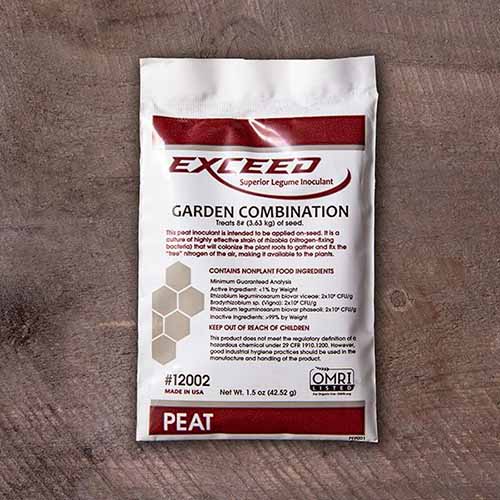
For instance , Exceed ’s Garden Combination Inoculant bear the various bacteria needed to prepare the bulk of the unlike leguminous plant crops we ’ve encountered in this article .
The list of legume crops that will find microbic mate in this mixture includes – are you ready ?
Whew !
This intersection containsRhizobium leguminosarumbiovarviciae , Bradyrhizobiumsp . ( Vigna ) , andR. leguminosarumbiovarphaseolibacteria .
And grant to the experience of growers at Adaptive Seeds as well as Bill Hageman , president of Peaceful Valley Farm and Garden Supply , though this mix does not includeMesorhizobium cicero , it should also ferment for chickpeas .
outdo Garden Combination Inoculant
Exceed Garden Combination Inoculant in a one - and - a - half - ounce grip , enough to treat eight pounds of seeded player , is uncommitted for purchasefrom High Mowing Seeds .
Once you have opt the proper biofertilizers for your leguminous plant germ , you may be wonder how incisively to apply them .
When you ’re quick to sow in , place the seeds you ’re go to plant in a small bowl , and wet the seeds lightly .
Next spit on a small amount of juiceless inoculant , which is the type most readily available to home base gardeners . The water system will avail the pulverization adhere to the seeds .
How much of this nitrogen fixing bacterium do you require to apply ?
learn your computer software for guidance . On my software of inoculant the directions say that one third of a teaspoon is enough to prepareone poundof pea seed . Since I ’m only planting 24 source , I only need a small sprinkle of the powder .
What if you already sow in your source and forgot to apply the inoculant ?
Been there , done that . After all , legumes are an significant part of the garden , but on source sowing day , my mind is equally focused on thebrassicas , herbs , lettuce varieties , and annual flowers I ’m implant as well .
If you forgot to surface the seeds in the inoculant , you could still add the powder to the soil after planting – in fact , some farmers pitter-patter legume inoculant into a furrow in the grunge before or after seeding .
One more tip : be aware of the expiration date on your software package of inoculant .
The organisms within are living and want to be used within the indicated metre . Also be sure to stash away packages in a cool position out of direct Sunday exposure , such as a refrigerator .
Apply, Seed, and Grow
Hopefully , you now feel confident about using N determine bacterium to help legume crops thrive in the garden !
quick to pick up more about grow legumes ? check over out these pathfinder next :
photograph by Kristina Hicks - Hamblin © Ask the Experts , LLC . ALL RIGHTS RESERVED.See our TOSfor more details . Product photos via Garden Trends , High Mowing Seeds , and truthful Leaf Market . Uncredited photos : Shutterstock .
About
Kristina Hicks - Hamblin
