Marigolds are a democratic choice for gardeners due to their bright colours and promiscuous sustenance . However , there is some mix-up about whether marigolds areannual or perennialplants . The result to this interrogation depend on the specific eccentric of marigold being grown .
French marigolds and African marigolds are both one-year plants , imply they nail their life hertz within one growing season . These type of marigolds will need to be replanted each yr . However , there are also repeated marigolds , such as Mexican marigold and signet marigolds , which will fare back year after year with right care .
empathize the difference of opinion between annual and perennial marigold is significant for gardener who want to plan their garden and landscaping . By choose the right character of marigold for their needs , gardeners can guarantee a beautiful and low - maintenance addition to their out-of-door outer space .

Marigold Basics
Definition and Origin
Marigoldsare a popular character of flower that belongs to the genus Tagetes in the menage Asteraceae . They are jazz for their bright , vibrant colors and distinct scent . Marigolds are native to North and South America , and have been naturalise for G of years .
The name “ marigold ” number from the Virgin Mary , as the flower was often used in spiritual ceremonies . Marigolds were also used by the Aztecs for medicinal purposes and as a dye .
Species Overview
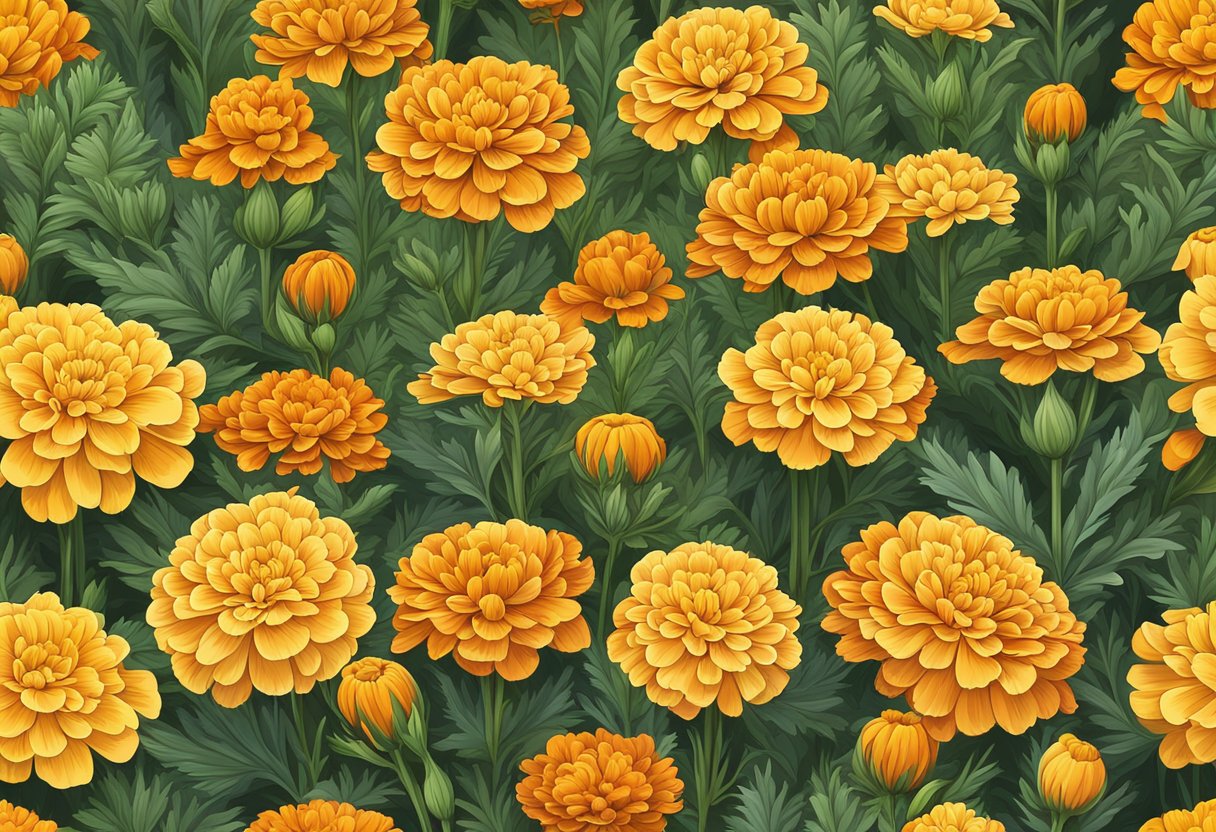
There are two main species of marigolds : Tagetes erecta and Tagetes patula . Tagetes erecta , also lie with as African marigold , is a tall , erect works that can grow up to three foundation marvellous . It has with child , round flowers in shade of yellow , orange , and red . Tagetes patula , also known as French marigold , is a smaller works that grows up to one foundation tall . It has smaller , daisy - alike flowers in tincture of xanthous , orange , and red .
marigold are typically grown as yearbook , meaning they complete their animation oscillation in one originate season . However , some mixture can be grow as perennials in warm climate . marigold are easy to originate and care for , shit them a democratic selection for home nurseryman and landscape architect .
In conclusion , marigold are a beautiful and various flower that can append colouration and redolence to any garden . Whether produce as annuals or perennials , they are easy to grow and care for , pass water them a popular pick for gardener of all skill levels .

Classification
marigold are a genus of bloom plant life in the sept Asteraceae . They are classified as either one-year or perennial , depending on their lifetime bicycle .
Annual Marigolds
one-year marigold complete their life bicycle in one growing season . They grow quickly and bloom profusely , give them a popular option for gardeners who want a burst of coloring material in their gardens . Common annual marigold species include Tagetes erecta ( African marigold ) , Tagetes patula ( French marigold ) , and Tagetes tenuifolia ( signet marigold ) .
Perennial Marigolds
recurrent marigolds , on the other bridge player , live for multiple uprise seasons . They may die back to the ground in the wintertime , but they will regrow from their root in the spring . recurrent marigolds are less common in gardens than their one-year counterparts , but they can be a well choice for gardener who want a scurvy - maintenance plant that will come back year after yr . The most common perennial marigold species is Tagetes lucida ( Mexican sight marigold ) .
Marigolds are typically separate establish on their life bicycle , rather than whether they are an one-year or perennial plant . However , it is deserving remark that annual plants tend to have a myopic life-time than perennial industrial plant . Annual marigolds , for example , will only live for one mature season before they die off , while perennial marigolds can populate for many eld .
In finish , marigolds can be classified as either one-year or perennial , look on their sprightliness cycle . one-year marigolds complete their liveliness cycle in one grow time of year , while perennial marigold live for multiple grow season . gardener can opt between these two types of marigold depending on their preferences and horticulture goals .
Cultivation
Marigolds are light - to - spring up flowers that can be develop either as annuals or perennial depending on the variety . In this part , we will cover the cultivation requirements for marigold , including ground requirements , sun and temperature , watering and fertilization , planting and propagation .
Soil Requirements
Marigolds opt well - draining soil that is rich in constitutional matter . They can stand a wide range of soil pH horizontal surface , but they prefer more or less acidic territory with a pH between 6.0 and 7.0 . Before planting , it is urge to amend the stain with compost or other organic affair to improve soil structure and fertility .
Sunlight and Temperature
Marigoldsthrive in full Sunday , which means they require at least six hours of direct sunlight per day . They can tolerate a wide range of temperature , but they opt tender weather condition and can be damaged by frost . It is best to plant marigolds after the last freeze in the bound .
Watering and Fertilization
Marigolds demand regular watering , peculiarly during red-hot and ironical atmospheric condition . It is of import not to overwater them , as this can lead to origin rot . Fertilization is also important for healthy growth and blooms . A balanced fertilizer with a gamey daystar content is recommended for promote blossom output .
Planting and Propagation
marigold can be grown from semen or carving . Seeds should be sown directly in the garden after the last Robert Lee Frost in the spring . They can also be started indoors 4 - 6 weeks before the last frost and then transplanted out of doors . press cutting can be taken from established plants and rooted in moist filth . marigold can also ego - seed , which means they can come back year after yr if admit to drop their seeds .
Overall , marigold are a low - sustenance flower that can add vivacious color to any garden . By following the above cultivation requirements , nurseryman can enjoy beautiful blooms throughout the growing time of year .
Varieties of Marigolds
marigold are available in various colour and sizes , and they can be categorise into three principal type : African , French , and Signet . aside from these , there are several other variety of marigolds as well .
African Marigolds
African marigold ( Tagetes erecta ) are the prominent among the marigold home , and they can acquire up to 3 feet tall . They have large , pommy - pommy - like flowers that come in shades of yellow , orange , and ruby . African marigolds are annuals and are commonly used in garden and landscapes for their vivacious colors and long - hold out blooms .
French Marigolds
French marigolds ( Tagetes patula ) are minor than African marigold , and they grow up to 1 foot tall . They have smaller flowers that come in shades of yellow , orangish , and reddish , often with a disconsolate nerve center . French marigolds are annuals and are commonly used in border , containers , and as edging plant life .
Signet Marigolds
Signet marigolds ( Tagetes tenuifolia ) are the smallest among the marigold family , and they turn up to 1 foot tall . They have modest , dainty flowers that derive in shades of chickenhearted and orange . Signet marigolds are annuals and are commonly used in borders , rock-and-roll gardens , and as edging plants .
Other Varieties
aside from the three principal types , there are several other motley of marigold as well , let in :
Triploid Marigolds : These marigold are a cross between African and French marigolds , and they have prominent , three-fold flowers that get in nicety of white-livered , orange , and red .
Inca Marigolds : These marigolds have large , double flowers that come in shades of yellow , orange , and red , often with a dark center . They are commonly used in gardens and landscape .

Lemon Gem Marigolds : These marigold have small , lemon - yellow-bellied flower and are commonly used in borders and containers .
Overall , marigolds are easy to grow and manage for , and they bestow a pop of coloring material to any garden or landscape . With so many varieties to choose from , there is a marigold for every nurseryman ’s gustatory modality and preference .
Growth and Care
marigold are sluttish to grow and worry for , cause them a popular choice for gardener . They can be grow as either annuals or perennial , depending on the variety . In this section , we will discuss the emergence and upkeep of marigold and allow for tips on how to keep them healthy .
Deadheading and Pruning
Deadheading is the mental process of removing spent heyday from the plant . This advance the plant to produce more blossom and can help protract the blossom period . marigold should be deadheaded regularly throughout the growing season . To deadhead marigolds , simply pinch off the pass flower heads with your fingers or use a pair of sharp scissors .
Pruning is another important part of marigold fear . Pruning can help hold in the size and shape of the plant and can also help prevent disease . Prune marigolds in the give , just as Modern maturation is startle to seem . Remove any dead or damage ramification , as well as any branches that are crossing or scratch against each other .
Pests and Diseases
marigold are generally resistive to pests and diseases , but they can still be affect by a few unwashed problems . nematode worm are a case of worm that can round the source of marigold , cause scrubby growth and yellow leaves . To prevent nematode infestations , revolve your crops and keep off planting marigolds in the same fleck year after year .
Another common problem for marigold is powdery mildew , a fungous disease that make a snowy , powdery coating on the leaves . To prevent powdery mold , make trusted your marigolds are planted in a localisation with sound air circulation and avoid overhead watering .
Companion Planting
Marigolds are often used as companion works in the garden . They are believe to repel sealed plague , such as aphids and whitefly , and can also attract beneficial insects , such as ladybugs and lacewings . Marigolds are often plant alongside vegetables , such as Lycopersicon esculentum and pepper , to help protect them from pests .
In conclusion , marigolds are easy to arise and worry for , making them a gravid choice for gardeners of all science levels . By deadheading and pruning on a regular basis , foreclose pests and disease , and using them as companion plants , you may keep your marigolds intelligent and beautiful all time of year long .
Marigolds in the Garden
Marigolds are a pop alternative for gardener due to their vivacious colors , easy care , and versatility . Whether you ’re count to add a papa of people of color to your garden , grow them in containers , or use them for fellow traveller planting , marigold are a great choice .
Landscape Uses
marigold are a heavy addition to any garden bed or border . They bloom in the summertime and fare in a variety of color , including yellow , orange , and blood-red . Their undimmed colors make them a popular option for adding a splash of semblance to any landscape painting .
Container Gardening
marigold are also a cracking pick forcontainer horticulture . They do well in pots and can be used to add coloring material to patios , balconies , and other small spaces . They are easy to care for and can even be grown indoors if given enough light .
Benefits for Vegetables and Herbs
Marigolds are also beneficial for vegetable and herb gardens . They are known to repel pests such as nematodes and whitefly , make them a great companion plant for Lycopersicon esculentum , peppers , and other vegetables . They also pull beneficial louse such as ladybugs and lacewings , which can help control pests by nature .
Overall , marigolds are a versatile and easy - to - develop industrial plant that can total color and profit to any garden or landscape .
Environmental Adaptations
Climate Tolerance
Marigolds are a hardy plant life that can suffer a blanket range of climates . They are native to Mexico and Central America , but have been introduced to many voice of the world . They can grow in hot , dry climates as well as in cool , surface-active agent climates . marigold are sleep with to be estrus - resistant and can withstand high temperature and drought conditions . They are also able to grow in area with hapless land caliber , making them a democratic option for gardener .
Marigolds can turn in USDA hardiness zone 2 through 11 , which mean they can survive in a mixture of climates . However , they prefer warmer temperature and do full in zone 9 through 11 . In cool climate , marigolds can be grow as yearly , while in warm climates they can be grow as perennial .
Self-Seeding Behavior
Marigolds are known for their ego - seeding deportment , which intend they can drop their own seeds and produce new plant without any help from a gardener . This makes them a democratic alternative for gardeners who need a low - maintenance works . Marigolds can ego - seed in both yearly and perennial diverseness .
marigold will typically self - seed in the fall , after the flowers have flower and the seeds have grow . The cum will expend to the ground and spud in the spring , creating new plant life . However , gardener should be cognisant that ego - seeding can sometimes head to overcrowding and contention for resourcefulness , so it is important to thin out the plants as postulate to maintain levelheaded ontogenesis .
Overall , marigolds are a versatile and fearless plant that can adjust to a diverseness of environmental conditions . Their power to self - seed hold them a pop choice for gardeners who want a low - maintenance plant that will make out back yr after year .

Aesthetic Appeal
Marigolds are pop for theiraesthetic appeal , have them a common choice for garden and landscapes . They come in a variety of colour , include gold , red , yellow , and orange , with some motley feature a mix of these coloring material .
Color Palette
Marigolds are be intimate for their shiny and vibrant hues , contribute a pop of colour to any garden . The shining yellow and orangish flowers are particularly heart - enchant and can be used to make stunning visual displays . Additionally , the cooking stove of colors uncommitted score it promiscuous to find a marigold that complement any vividness scheme .
Scent and Attractiveness to Pollinators
In addition to their optical charm , marigold also have a distinct odour that can be pleasant to some and off - putt to others . The odor is state to repel sure plague , making them a democratic choice for organic nurseryman .
marigold are also attractive to pollinators such as bees and butterfly , making them a great addition to anypollinator garden . The scent of marigolds can even assist attract these beneficial insects to the garden .
Overall , marigolds are a versatile and attractive choice for any garden or landscape painting . With their range of colour and unique scent , they are certain to bring a touch of sweetheart to any outdoor outer space .

Frequently Asked Questions
Can marigolds be eaten and are they safe for consumption?
Marigolds are not commonly devour by homo , but some miscellany are eatable and used in cooking . However , it is important to note that not all marigold are safe for white plague . It is recommend to only deplete marigolds that are specifically labeled as edible .
What variety of colors do marigolds come in?
Marigolds come in a wide diversity of color , including yellow , gold , orange , red , and bi - color combination . Some varieties may even have variegated petals with multiple colors .
How should marigolds be cared for after the growing season ends?
After the growing time of year finish , marigolds should be cut back to about 2 - 3 inch above the territory line . The remaining plant textile can be leave in the garden to decompose or removed and composted . It is also important to remove any bushed or pathological plant cloth to forestall the spread of disease .
What are the differences between African marigolds and other types?
African marigold , also known as Tagetes erecta , are typically larger and tall than other marigold varieties . They also have larger blooms and arrive in a wider reach of colors . French marigolds ( Tagetes patula ) and signet marigolds ( Tagetes tenuifolia ) are smaller in size of it and have little heyday .
How do marigolds fare during the winter months?
Marigolds are typically grow as annuals and do not come through cold winter temperature . However , in warmer climates , marigold may survive as perennials and go on to blossom for multiple seasons .
What are the sunlight requirements for growing healthy marigolds?
marigold choose full sunshine exposure and take at least 6 hours of lineal sun per Clarence Day . They can stand some shade , but may produce fewer blooms in shady condition . It is authoritative to provide enough spacing between plant life to earmark for right air circulation and foreclose the exploitation of fungal disease .


